
Imagine staying cool all summer without a single spike in your electricity bill. With solar-powered air conditioners, this is becoming a reality for many households and businesses. These systems offer efficient cooling and heating while promoting sustainability.
What You Will Discover:
- Environmental Benefits: Solar air conditioners reduce carbon emissions by utilizing renewable energy.
- Cost Savings: Significant reduction in electric bills as these systems draw power directly from solar panels.
- Technology Overview: Integration of photovoltaic panels, inverters, and battery storage for uninterrupted operation.
- System Types: Differences between grid-tied, off-grid, and hybrid setups.
- Installation Tips: Importance of site assessment and the pros and cons of professional versus DIY installation.
- Maintenance Insights: Regular upkeep tips to ensure longevity and efficiency of your system
Ready to explore how solar-powered air conditioners can transform your space? Let’s dive into the details of their workings, benefits, and key considerations.
Benefits of Solar-Powered Mini Split
Environmental Impact: they reduce carbon emissions by using renewable solar energy, making them a green choice for environmentally conscious consumers.
Cost Savings: you can significantly lower your electric bill as these systems draw power directly from solar panels.
How Solar Powered Mini Systems Work
Solar Panel Integration
Solar mini-split systems typically use photovoltaic (PV) panels to capture sunlight and convert it into electricity. This electricity powers the air conditioner, allowing it to operate independently of the grid. This setup is particularly beneficial for distant living, where access to conventional power sources may be limited.
Inverter Technology
The inverter is a crucial component of any solar system. It converts the DC power generated by the solar panels into AC power, which the air conditioner uses. Inverter technology also helps in maintaining energy efficiency by adjusting the compressor speed based on cooling or heating demand.
Battery Storage
For continuous operation, especially during the night or overcast days, solar systems often include battery storage. These batteries store excess solar energy generated during the day, ensuring that the system can function even when there is no sunlight.
Types of Solar-Powered Systems
Grid-Tied Systems
Grid-tied units are connected to the electrical grid. They use solar power when available and switch to grid power when necessary. This hybrid approach ensures that you always have a reliable power source.
Off-Grid Systems
These units are entirely independent of the electrical grid. They are ideal for remote locations and are designed to rely solely on solar power and battery storage.
Hybrid Systems
Hybrid setups combine both grid-tied and off-grid features. They primarily use solar power but can draw from the grid when necessary, offering flexibility and reliability.
Key Features of Solar-Powered Mini Split Systems
Efficiency and SEER Ratings
When selecting a solar mini split, look for high SEER (Seasonal Energy Efficiency Ratio) ratings. Systems with a SEER2 22 rating or higher are highly efficient, providing more cooling or heating output per unit of energy consumed.
Smart Controls and Monitoring
Modern units come with smart controls and monitoring capabilities. These features allow you to adjust settings remotely via a smartphone app, ensuring optimal performance and energy savings.
Installation and Setup
Site Assessment
Proper installation begins with a site assessment to determine the best placement for solar panels. This ensures maximum sunlight exposure and optimal energy production.
Professional vs. DIY Installation
While DIY installation is possible with plug-and-cool technology, hiring professionals can ensure that the system is installed correctly and operates efficiently. Professional installation often includes a quick-connect installation kit, making the process smoother and more reliable.
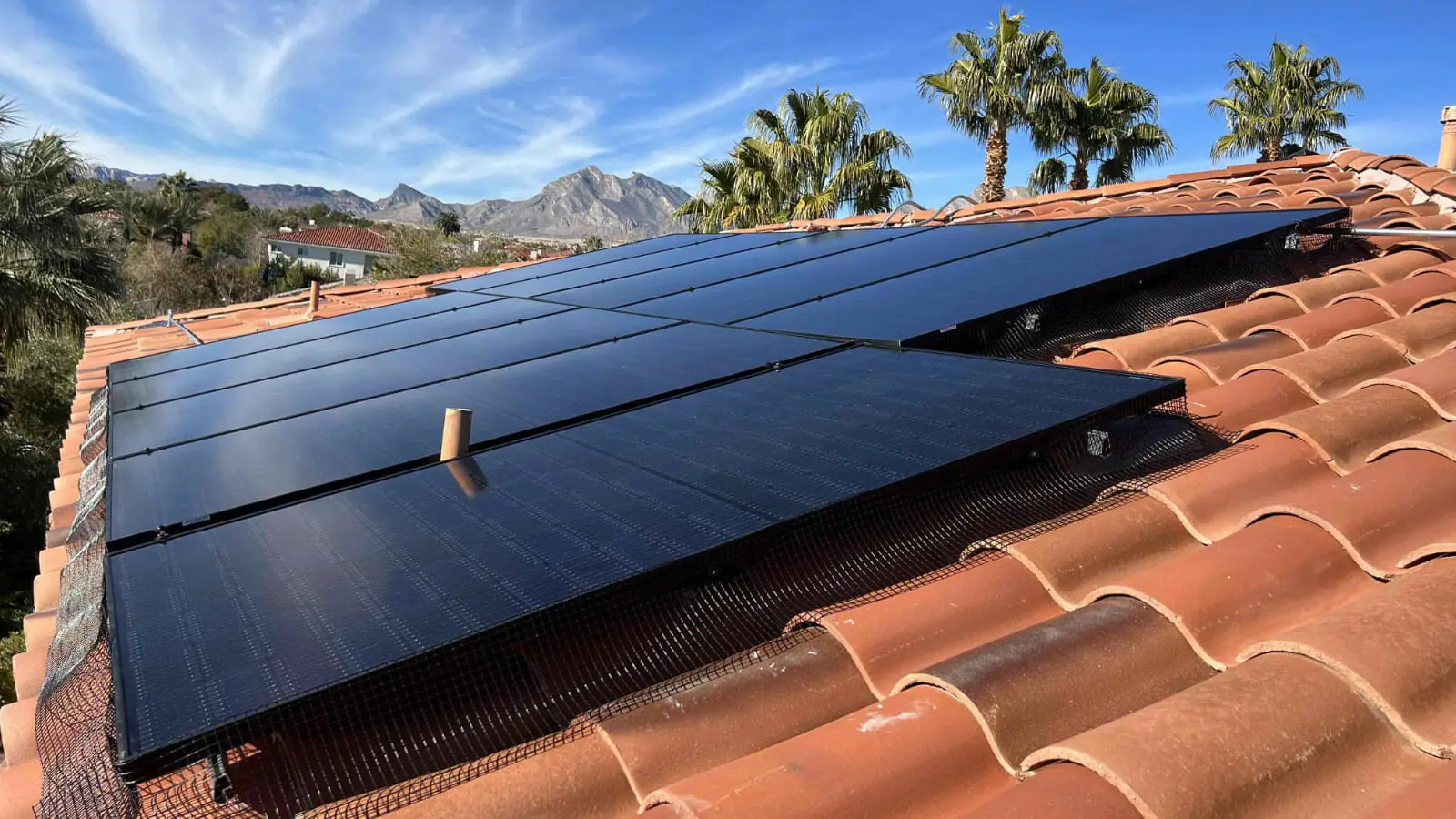
Off-Grid Mini Split Solutions for Desert Living
In our sun-rich desert valley, combining solar power with mini split systems offers year-round comfort while maximizing energy efficiency. Bob’s Repair certified technicians specialize in designing integrated cooling solutions that harness our abundant sunshine while ensuring optimal performance in high-temperature conditions.
Desert-Optimized Cooling
Custom mini split configurations designed for peak efficiency during intense summer months and mild winters.
Solar Independence
Harness 300+ days of annual sunshine with optimally positioned panels for continuous cooling power.
Zone-Specific Control
Strategic air distribution designed for Spanish-style homes and desert architecture layouts.
Solar Installation Service Areas
Permits and Regulations
Installing a solar-powered device may require permits, especially for grid-tied setups. Check local regulations and obtain necessary approvals to avoid any legal issues.
Cost Considerations
Initial Investment vs. Long-Term Savings
The initial cost can be significant. However, the long-term savings on energy bills and the potential increase in property value make it a worthwhile investment.
Financing Options and Incentives
Various financing options and incentives are available for solar installations. Look for federal and state incentives that can reduce the upfront costs and make solar power more affordable.
Comparing Costs with Traditional HVAC Options
Although the upfront cost is higher than traditional HVAC systems, the ongoing savings on energy bills and maintenance can make them more cost-effective in the long run.
Maintenance and Longevity
Regular Maintenance Tips
To ensure longevity and optimal performance, regular maintenance is essential. This includes cleaning the filters, checking the refrigerant levels, and inspecting the solar panels for any damage.
Lifespan of Solar Panels vs. Mini-Split Units
Solar panels typically have a lifespan of 25 years or more, while mini-split units last around 15-20 years. Proper maintenance can extend the life of both components.
Troubleshooting Common Issues
Common issues include inverter malfunctions, battery storage problems, and refrigerant leaks. Regular inspections can help identify and address these issues promptly.
Case Studies and Real-Life Applications
Off-Grid Homes and Cabins
Solar-powered mini splits are ideal for remote homes and cabins. They provide reliable cooling and heating without the need for a connection to the electrical grid, making them perfect for remote locations.
Remote Businesses and Facilities
Businesses in remote areas can benefit from solar power by reducing reliance on diesel generators or other costly power sources. This not only cuts down on operating costs but also reduces environmental impact.
Urban Applications and Benefits
In urban settings, solar mini splits can help reduce the load on the electrical grid and provide backup power during outages. They are a practical solution for energy-efficient and sustainable cooling and heating.
Common Myths and Misconceptions
Efficiency in Different Climates
A common myth is that solar solutions are ineffective in cloudy or cold climates. However, with proper battery storage and system design, they can provide reliable performance in various weather conditions.
Reliability of Off-Grid Installations
Some people believe that off-grid installations are unreliable. In reality, modern solar mini splits with advanced battery storage and inverter technology offer consistent and dependable operation.
Cost-Effectiveness Compared to Traditional Systems
While solar mini splits may have higher upfront costs, their long-term savings and environmental benefits make them a cost-effective choice compared to traditional HVAC systems.
Future Trends in Solar-Powered HVAC
Technological Advancements
Ongoing advancements in solar technology, including more efficient solar panels and inverters, are making solar-powered mini splits even more effective and affordable.
Market Growth and Predictions
The market for solar-powered HVAC systems is expected to grow significantly in the coming years as more people seek sustainable and energy-efficient solutions.
Innovations in Energy Storage and Efficiency
Innovations in energy storage, such as improved battery technology, will enhance the reliability and efficiency of solar mini splits, making them an even more attractive option for homeowners and businesses alike.
Unlocking the Benefits of Solar Air Conditioners
Solar-powered mini split air conditioners are transforming how we approach cooling and heating, especially for off-grid living. They offer numerous benefits, from environmental impact to cost savings, making them a smart choice for anyone looking to embrace renewable energy. With advancements in technology and growing market interest, now is the perfect time to consider a solar mini-split for your home or business.
To learn more about how solar-powered mini splits can benefit you, visit Bob’s Repair and get in touch with our experts for personalized advice and solutions. Enjoy the comfort and savings that come with sustainable energy.

