
Solar Doesn’t Have to Be Ugly
We’ve all seen them, bright blue checkerboard panels with silver frames that stick out on roofs like aluminum foil catching the sun. Thick metal pipes snake across shingles, and the whole setup screams “industrial appliance.”
Here’s what most people miss: solar technology has evolved dramatically. Today’s most visually appealing solar panels can appear built into your roof instead of bolted on top. The secret isn’t just buying premium panels; it’s understanding what makes a complete system look good.
What Makes Solar Panels Actually Look Good?

The difference between solar that improves your home’s appearance and solar that detracts from it comes down to three specific components working together.
The “Triple Black” Standard
Black Solar Cells
Monocrystalline silicon creates genuinely black solar cells due to its higher purity level compared to polycrystalline alternatives. Those blue panels everywhere? They’re polycrystalline solar cells, which reflect light differently because of their lower purity and square crystal structure.
Black solar panels achieve their color naturally through the manufacturing process and are typically associated with high-efficiency monocrystalline technology.
Black Backing Sheet
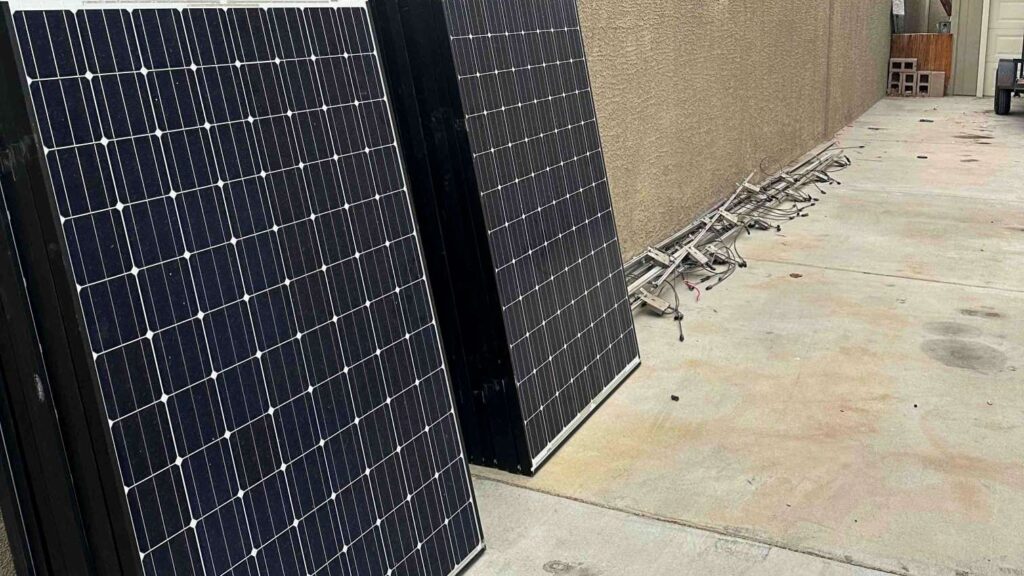
Look closely at traditional solar panels, and you’ll notice white diamonds or grid lines visible between cells. That’s the white backing sheet showing through. Modern aesthetic solar panels use black backing instead, creating an unbroken dark surface. This single change eliminates the checkerboard effect visible from the street.
Black Frame
Most solar panels installed globally come with a standard silver aluminum frame that creates a bright border around each panel. Black-framed solar panels have become popular in residential markets because they blend with the roof’s shadow line. When you combine black cells, a black backing sheet, and a black frame, the panel looks more like a skylight or architectural glass than an energy appliance.
The result? A panel that looks like a skylight or high-end glass, not an appliance.
Why Installation Matters Most
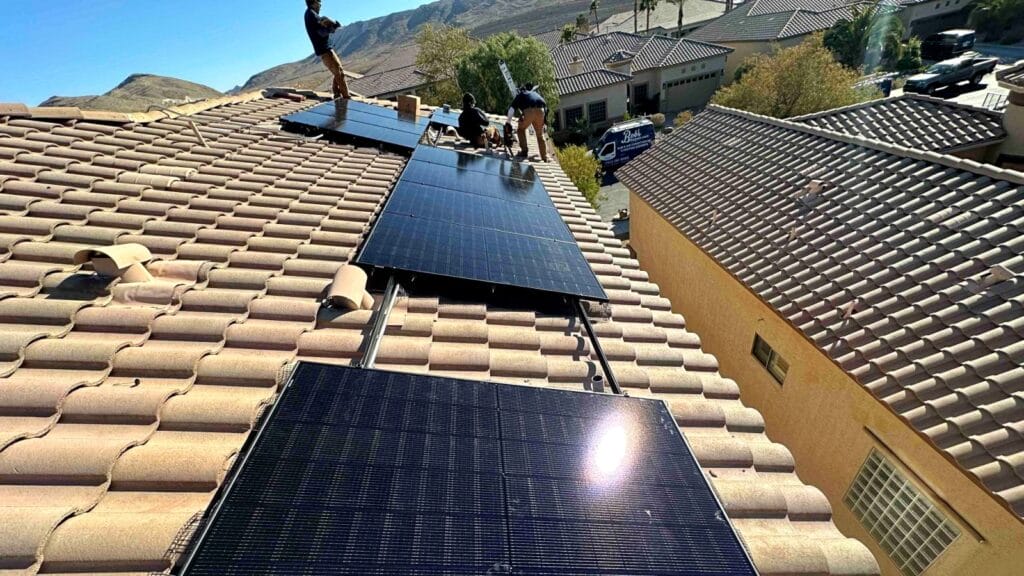
Here’s where most articles about solar panels miss the mark because they focus entirely on the panel itself. But you could install the most beautiful all-black solar panels ever made and still end up with an eyesore if the installation is sloppy.
Appearance depends on how the entire solar panel system is designed, including layout, mounting hardware, wiring paths, and roof integration, not just the panels themselves.
System Symmetry and Roof Design
Professional installers design arrays that align with your roof’s architecture. Panels should follow roof edges, respect window placement, and create balanced visual weight.
A well-designed system looks intentional. A poorly designed one looks like someone just filled available space without thinking. Designing a visually balanced array also means planning a right-sized solar system that meets energy needs without overcrowding roof space or forcing awkward panel placement.
Low-Profile Mounting Systems
The gap between panels and the roof surface dramatically affects appearance. On-roof mounting systems that sit close to roofing materials create a sleeker profile. In-roof systems position solar panels even lower, integrating them into the roof structure itself for maximum discretion.
For shingle roofs—the most common type—standard penetrating mounts work perfectly, but should minimize the visible gap. Metal roofs work great for solar installations since they don’t require drilling, allowing cleaner attachment points and reduced labor costs.
Hidden Conduit
A hidden conduit is one of the details that separates average installations from premium ones. Running electrical conduit across your roof in exposed metal pipes destroys the clean aesthetic.
Internal conduit runs route wiring through the attic instead, keeping all electrical components out of sight. It’s more labor-intensive, but the visual difference is substantial.
Solar Skirts and Critter Guards
The gap underneath solar panel systems creates both a functional and aesthetic problem. Critter guards prevent animals from nesting under panels, but cheap wire mesh looks exactly like an afterthought.
A properly installed solar skirt creates a finished edge along the front of the array, similar to how trim finishes a room’s edges. This detail alone can make the difference between a professional system and one that looks provisional.
Roof-Specific Considerations
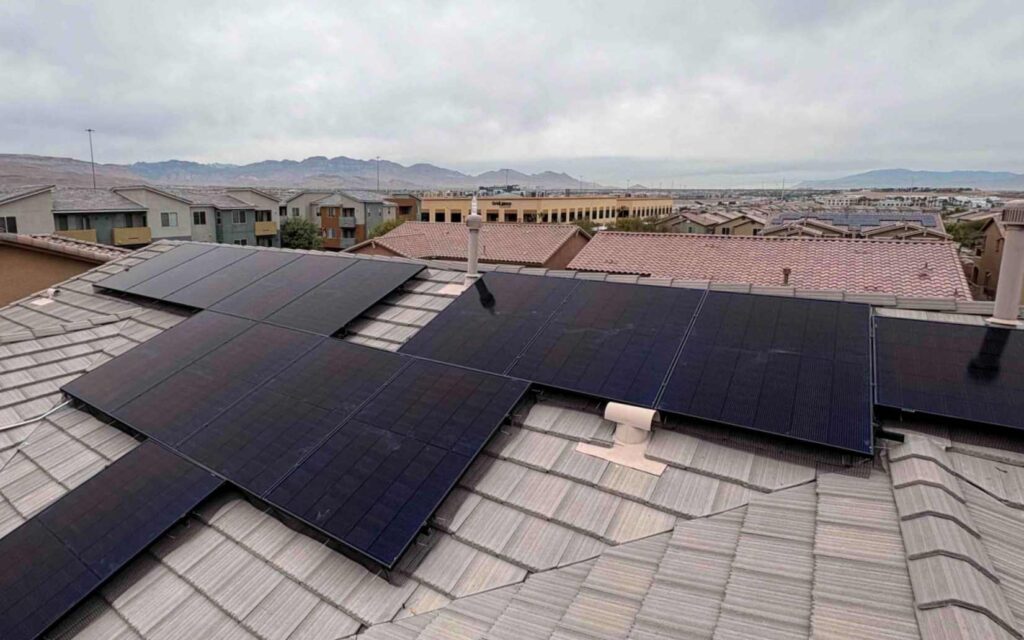
Different roofing materials affect both how you’ll mount solar panels and what the final system looks like on your house.
Tile Roofs
Tile installations need standard penetrating mounts, and your installer might have to cut or remove a few tiles to ensure proper fit. The good news? The texture and color variation in tile roofing actually helps hide the mounting hardware better than you’d think. Slate roofs work similarly, though they require extra care during installation due to their fragility.
Flat Roofs
If you’ve got a flat roof, you’re in luck; the installation process is actually simpler than dealing with slopes. Installers can move around more easily and have better access to everything.
Free-standing systems or weighted ballasts (usually concrete blocks) work well here. Just know that panels on flat roofs need to be angled at about 30 degrees to capture enough sunlight, which affects how visible they are from ground level.
Metal Roofs
Metal roofs are hands-down the easiest for mounting solar panels. Since there’s no drilling required, you get cleaner attachment points, and the roof stays more watertight long-term.
This matters if you’re thinking about the future and want a system that won’t create problems down the road. Plus, metal roofs in new-build homes are increasingly popular, making them ideal candidates for solar from day one.
Tar and Gravel
Less common but totally doable. Tar and gravel roofs can handle solar installations as long as panels are mounted and angled correctly. Your installer just needs to plan around the surface material.
Top Brands for Aesthetics
Several manufacturers offer all-black solar panels that meet modern aesthetic standards, but the best choice depends on roof type, heat exposure, layout, and how panels perform under solar energy ratings in hot climates like Las Vegas.
Bob’s Repair evaluates the roof first, then selects the panel that will look and perform right for that structure.
Silfab ELITE
Known for domestic manufacturing, these panels use back-contact technology to hide electrical busbars. This creates a clean, deep-black surface that integrates perfectly with modern roofs.
Maxeon
Utilizing Interdigitated Back Contact (IBC) technology, Maxeon panels offer a grid-free, uniform aesthetic. Their solid copper foundation ensures industry-leading durability and resistance to cracking.
REC Alpha Pure-RX
These panels use heterojunction (HJT) technology to stay efficient in extreme heat. A gapless design makes the array look like a seamless, solid sheet of glass.
Q Cells All-Black
Featuring N-type TOPCon technology, these panels offer high performance and heat stability. They provide a sleek, all-black look while remaining a versatile, value-driven choice.
SOLARIT Panels
SOLARIT panels emphasize clean, modern design over maximum efficiency. They appeal to homeowners who prioritize curb appeal and reflect the shift toward more integrated-looking residential solar systems.
Working With HOAs and Listed Buildings
For listed or historic properties, solar panel aesthetics are often the deciding factor in approval. According to the National Park Service, solar installations generally meet the Secretary of the Interior’s Standards for Rehabilitation when panels are placed where they are not visible from the ground or do not negatively impact the building’s historic character.
Installations that protrude prominently or disrupt the roofline are more likely to be rejected. As a result, low-profile or in-roof mounting systems that integrate panels into the existing roof structure offer the most discreet solution for conservation areas and historically sensitive homes.
System Design vs. Product Selection
Choosing panels that look good isn’t about a single product; it’s about system design. When appearance and performance are treated as equal priorities, details like hidden wiring, balanced layout, and roof-appropriate mounting make the difference. The gap between solar that adds value and solar that draws unwanted attention usually comes down to installation technique, not panel brand.
Solar technology has moved beyond “ugly but functional.” All-black panels, installed with care, can blend into modern roof design so naturally that they’re barely noticeable. Don’t compromise your home’s curb appeal. Get a solar system designed to look as good as it performs. Contact Bob’s Repair for a custom design proposal that prioritizes aesthetics.

