
Many Las Vegas homeowners ask, Do solar panels store energy? The short answer is no. Solar panels are generators, not batteries. They convert sunlight into electricity while the sun is shining, but once the sun sets, panels stop producing power.
To use solar energy at night, you need a separate storage system. Let’s explore how solar energy is stored, the options available, and what makes the most sense for residential use.
How Is Solar Energy Stored?
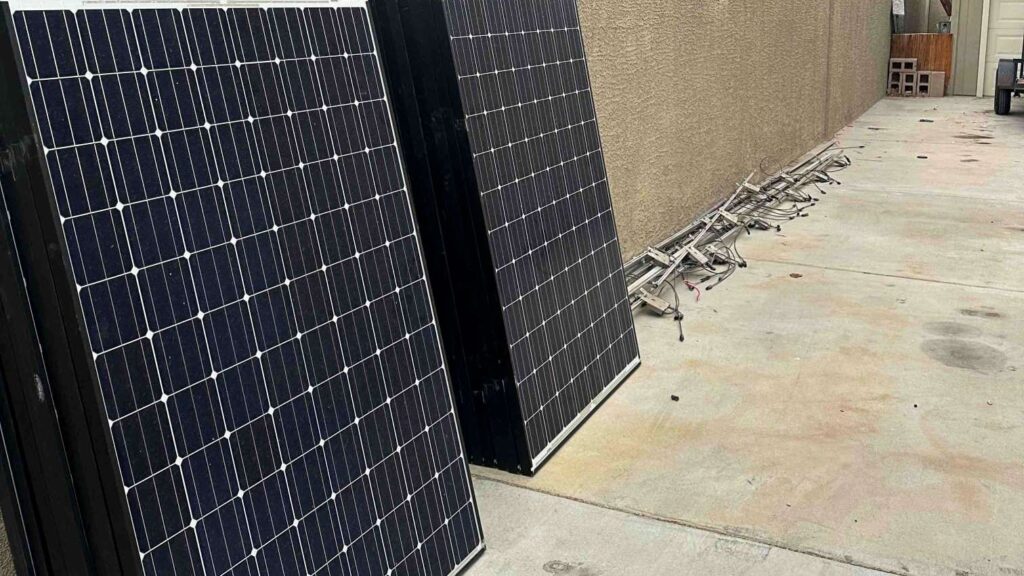
Storing solar energy is essential to get the full benefits of your system. The amount of storage you need depends on your home’s energy consumption and usage patterns.
Without storage, excess solar energy produced during the day flows directly to the utility grid, and your home relies on grid power when the sun isn’t out. There are three main ways solar energy can be stored:
Storing Solar Energy in Las Vegas
Three Ways to Maximize Your Solar Investment
Net Metering
Store value through utility credits — the most cost-effective option for most Las Vegas homeowners.
Battery Storage
Physical batteries provide backup power and true energy independence during outages.
Thermal Storage
Large-scale solar farms use thermal systems to generate power after sunset.
1. The “Virtual” Battery (Net Metering)
Most grid-tied homes in Las Vegas rely on net metering rather than physical batteries. This system acts like a virtual battery, letting homeowners “store value” rather than electricity.
How It Works
During sunny hours, your solar panels in Las Vegas generate electricity. Any surplus energy not used by your home flows to NV Energy. The utility credits your account for this excess power.
Using Stored Value
At night or on cloudy days, your home draws electricity from the grid. The credits accumulated earlier offset your bill.
While you aren’t physically storing electricity, net metering allows you to store solar energy value, reduce your electric bills, and lower reliance on fossil fuels, which helps decrease your carbon footprint. For most homeowners, this is the cheapest and most practical option.
2. Physical Battery Storage (Lithium-Ion)

For homeowners who want backup power or grid independence, battery storage is the real solution.
Lithium-Ion Batteries
Most residential solar storage systems use Lithium-Iron Phosphate (LFP) batteries for their long life (10–15 years), high energy density, and enhanced safety. Modern warranties extend up to 20 years, with significantly improved fire safety compared to earlier battery technologies.
How It Works
During the day, excess electricity charges the battery before it goes to the grid. At night, your home draws electricity directly from the battery. This allows continuous power availability even during outages. With sufficient battery capacity, solar panels can power your entire home independently from the grid.
Residential battery storage systems typically cost $7,000–$18,000 for equipment before incentives in 2025. With professional installation included, most homeowners pay $9,000–$18,000 total. After applying the 30% federal tax credit, costs can drop to roughly $6,000–$12,600.
While exact residential battery costs aren’t reported, utility-scale battery storage is experiencing record growth, with 10.3 GW added in 2024 and 18.2 GW planned for 2025, highlighting the expanding role of storage in balancing renewable energy on the grid, as per the U.S. Energy Information Administration.
Homeowners can claim a 30% federal tax credit for qualifying clean energy systems, including solar panels and battery storage, through the IRS Residential Clean Energy Credit.
As noted by Energy Star, the credit applies to systems installed 2022–2032, phasing down after 2032.
3. Thermal Storage (Large-Scale Solar Farms)
While not common for homes, thermal storage is used in some concentrating solar power (CSP) plants. These systems store heat energy in materials like molten salt in insulated tanks. The stored heat generates electricity after sunset through heat transfer fluid systems.
For homeowners, “storing solar energy” almost always refers to either batteries or net metering.
Net Metering vs Battery Storage Comparison Chart
When deciding how to make the most of your solar panels, homeowners often weigh net metering against battery storage. This comparison chart breaks down the costs, benefits, and limitations of each option, helping Las Vegas residents see which solution best fits their energy needs and budget.
| Feature | Net Metering (Virtual Battery) | Battery Storage (Physical) |
|---|---|---|
| Cost | Low upfront | $9,000–$20,000 |
| Grid Independence | No | Yes |
| Backup During Outages | No | Yes |
| Complexity | Simple | Higher |
| ROI Potential | 6–10 years, saving $35,000–$60,000 over 25 years with 8–10% annual returns | Varies based on usage |
| Carbon Footprint Impact | Moderate | High (max renewable use) |
Why Storage Matters for Las Vegas Homeowners
Las Vegas receives abundant sunlight, but peak energy demand occurs in the evening, after sunset. Without storage, homes rely entirely on grid power, which can increase electricity costs and carbon emissions. Installing a battery storage system or using net metering helps:
- Store excess solar energy for future use
- Reduce utility bills during peak hours
- Provide backup power during outages
- Maximize energy independence
- Lower carbon footprint by using more renewable energy
Bob’s Repair Verdict: Which Do You Need?

Grid-Tied (Net Metering) is best for homeowners looking to save on electricity bills and maximize ROI. Low cost, simple setup, and effective for everyday use.
Battery Backup is ideal for power during blackouts and full energy independence. Higher upfront cost, but adds resilience and maximizes the use of your solar panels.
Unsure if you need a battery? Let Bob’s Repair analyze your energy usage, and we’ll determine whether a simple grid-tied system is enough or if battery storage is worth the investment. Contact us today to get started.

