
Nevada ranks 6th nationally in total solar capacity, with solar supplying a significant share of the state’s electricity, according to the Solar Energy Industries Association. While abundant sunshine supports strong solar performance, the Mojave Desert’s extreme conditions mean that achieving a 25–30-year system lifespan still depends on proper solar panel protection from day one.
The 3 Real Enemies of Las Vegas Solar
Many homeowners worry about theft or hail, but in Southern Nevada, the biggest threats are extreme heat, strong winds, and pigeons. Desert conditions place constant stress on solar systems. High temperatures strain components, wind challenges mounting hardware, dust reduces sunlight exposure, and birds exploit small gaps for nesting.
Desert conditions place constant stress on residential solar systems, and the way a solar panel system in Las Vegas is designed and protected directly affects long-term performance and reliability. Proper solar panel protection helps maintain efficiency, prevent damage, and keep minor issues from turning into costly repairs.
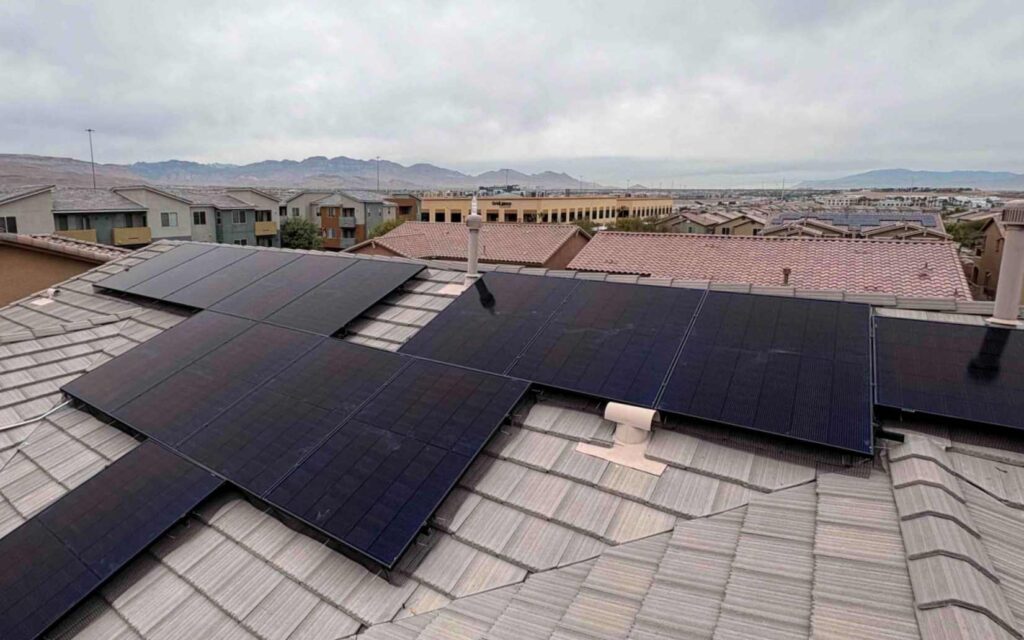
Top 3 Threats to Your Solar Panel System
In Las Vegas’ extreme desert climate, solar panels face unique challenges. Understanding these threats helps protect your investment and maintain peak performance.
The Heat
Extreme temperatures and thermal cycling reduce efficiency and stress system components in Las Vegas’ intense climate.
Learn MoreThe Wind
High winds and storms can damage improperly installed systems, causing loose hardware and panel displacement.
Learn MoreThe Pigeons
Birds nesting under panels cause the most physical damage to residential solar systems through wire damage and debris buildup.
Learn More1. The Heat (Thermal Cycling)
Solar panels need sunlight to generate electricity, but excessive heat reduces their performance. When panel temperatures rise, efficiency drops through a process called solar panel heat degradation.
Las Vegas roof temperatures commonly exceed 150°F during summer months, with ambient air temperatures reaching 115°F or higher. Daily expansion and contraction of materials—thermal cycling—stress wiring, connectors, and mounting brackets over time.
How Heat Damages Your System
Dust and sand block 10-25% of sunlight while creating an insulating layer that traps heat, forcing panels to run hotter than clean panels at the same light levels. High temperatures increase electrical resistance and reduce power output. Repeated expansion and contraction weaken internal connections.
Selecting solar panels with a low temperature coefficient is one of the most effective ways to reduce efficiency loss in extreme heat. This specification appears on most panel datasheets. Lower numbers perform better.
Installation Choices That Reduce Heat Damage
Elevated racking systems improve airflow and lower operating temperatures. Proper spacing between panels and roof surfaces allows heat to escape. Hydrophobic coatings help panels stay cleaner longer, reducing heat buildup.
Frequent cleaning is essential in Las Vegas due to high dust levels. Maintaining solar panels in the desert isn’t optional. Regular, non-abrasive cleaning protects the tempered glass surface and keeps the protective layer intact. Scratched glass traps dirt, increases heat stress, and accelerates damage.
2. The Wind
Solar panels are built with static wind load ratings that show how much wind force they can withstand once installed. Wind protection depends heavily on installation quality, and mistakes made when setting up a solar panel system often show up later as loose mounting hardware or panel movement during storms.
How Wind Causes System Failure
Loose mounting brackets shift panels under stress. Poorly torqued bolts back out over time. Misaligned panels catch more wind, increasing lift forces.
Solar panels should be installed at angles that minimize wind load while capturing sunlight efficiently. Adjustable mounting systems let installers account for local weather patterns.
Protecting Solar Panels From Storm Damage
Use locking fasteners to prevent movement and theft. Inspect torque settings during annual inspections. Check rails, clips, and mounting hardware after major wind events. Use strong metal racking designed for desert environments.
Wind damage often starts small. A slightly loose panel vibrates. Wires rub against metal edges. Insulation wears down. Professionals look for these signs during inspections to prevent system failures.
3. The Pigeons (The #1 Threat)
Pigeons cause more physical damage to residential solar systems in Las Vegas than any other threat.
They nest under panels because the space is shaded, warm, and protected from predators. Once pigeons nest under panels, damage accelerates through wire pecking, heat-trapping debris, and corrosive droppings.
How Pigeons Damage Your Investment
Pecking at wiring exposes conductors. Nesting materials trap heat and debris. Acidic droppings corrode metal components. Waste builds up on roof surfaces, increasing leak risk.
Bird and animal barriers provide the most effective solution. Wire mesh critter guard systems block access without restricting airflow or affecting appearance.
Why Critter Guard Is Essential
These barriers prevent nesting under solar arrays, safeguard wiring and connectors, preserve roof integrity, and reduce fire risk from heat-trapped debris. Installing bird barriers helps avoid roof repairs, electrical issues, and shortened system lifespan.
Wire Mesh and Protective Covers
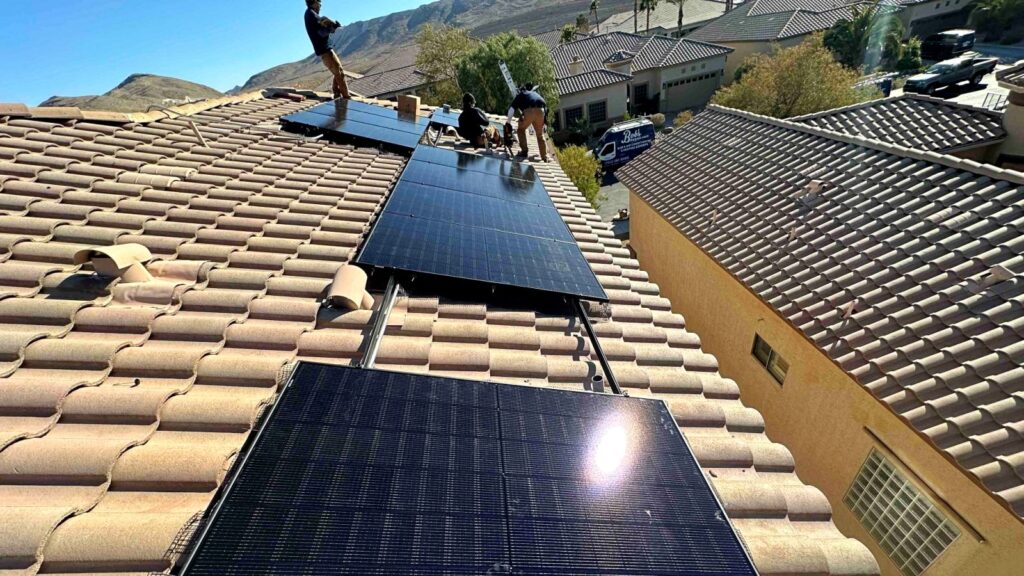
Not all protection solutions serve the same purpose. Some guard against animals. Others reduce weather-related risk.
Wire Mesh and Critter Guard
Wire mesh barriers fit around the perimeter of solar panels. When installed correctly, they form a durable seal without drilling into panels or roof materials.
Protective Covers
Protective covers made from polycarbonate or similar materials guard against debris and hail damage. High-quality solar panels already use impact-resistant tempered glass, but covers add another protection layer in harsh weather conditions.
These shields act as barriers against dust and debris, reduce surface wear during storms, and help panels stay cleaner during dry months. They must be installed carefully to avoid trapping heat, which is why airflow remains a priority in desert installations.
How to Maintain Solar Panels in Desert Conditions
Most solar panels last 25-30 years when properly maintained in harsh environments. Las Vegas maintenance focuses on heat, dust, wind, and wildlife.
Regular inspections detect heat-stressed connectors, loose clip systems, worn wiring insulation, and debris buildup under panels. This prevents further damage before it leads to costly repairs.
Performance monitoring apps help spot production drops that signal dust buildup, inverter issues, or potential damage.
Long Lasting Solar Panel Protection
Effective protection isn’t one product. It’s a robust system. Proper solar panel installation with secure anchoring, panels equipped with low temperature coefficients, elevated racking for airflow, professional inspections to prevent rust and corrosion, wire mesh critter guards, and non-abrasive cleaning practices all work together.
Each layer reduces risk. Together, they protect your investment, your roof, and your renewable energy system.
Bob’s Repair Solar Survival Protocol
Bob’s Repair approaches solar panel protection with a desert-first mindset.

Annual health checks go beyond washing panels. Technicians inspect wiring clips for wind damage, check connectors for heat stress, and confirm mounting hardware is secure. These inspections prevent fire risk and extend system life.
Critter guard installation is treated as essential, not optional. Every Las Vegas home with solar panels benefits from bird and animal barriers designed for long-term durability.
Protect Your Solar Panels for the Long Term
Your solar system is a Ferrari parked in the desert. It produces clean power, lowers energy bills, and adds value to your home. But without protection, desert conditions will shorten its life. Solar panel protection in Las Vegas means planning for heat, wind, dust, and pigeons from the start.
Contact Bob’s Repair to install Critter Guards and schedule your annual solar safety inspection

