
Setting up a solar panel system sounds simple—bolt some panels onto the roof, plug everything in, and enjoy free electricity forever. If only.
Small off-grid setups like RV, cabin, or shed systems are totally doable for a weekend DIY project. A full grid-tied home system, though? That’s closer to building a tiny power plant on your roof, with real electrical, safety, and permitting stakes.
Most people searching “how to set up a solar panel system” are aiming for that second option without realizing the layers beneath it. Here’s what the solar panels installation process actually looks like, why it’s more involved than online videos make it seem, and where DIY ends, and professional work becomes essential.
The Two Types of Solar Installations (And Why They’re Not the Same)

Before we get into components and wiring diagrams, understand that there are two completely different worlds in solar:
The Small-Scale DIY Project
A charge controller, a couple of panels, lead acid or lithium-ion batteries, and maybe an inverter. You’re creating power for specific devices or appliances. No utility company involvement. No permits in most cases.
The Whole-Home Grid-Tied System
A full solar energy system engineered to meet electrical codes, designed to interface with your home’s electrical panel, permitted by the city, inspected before activation, and approved by your utility company for net metering. You’re producing renewable energy at scale and selling excess back to the grid
If you want to run your AC, your refrigerator, and charge your Tesla, you need the second one. And that’s where things get complicated.
The 5 Critical Components of a Setup
Let me walk you through what actually goes into a professional solar installation. This isn’t just panels on a roof.
1. Solar Panel Arrays
The panels themselves collect sunlight and convert it into direct current electricity. How many you need depends on energy production goals; most installers calculate based on your annual electricity usage and how much solar power your roof orientation can realistically generate.
Solar panels generate the most energy when installed on south-facing roofs angled between 15 and 40 degrees, but they can still function effectively on other roof orientations. Shaded roofs surrounded by trees? You’ll need more panels to hit the same output.
2. Racking and Mounting Hardware
This is the structural backbone that keeps your solar panels installed during 80 mph winds. It involves drilling lag bolts through your shingles into the rafters, sealing every penetration with flashing, and ensuring the weight distribution doesn’t stress your roof structure.
Some DIY installs have ended in disaster—wrong fasteners, cracked shingles, and a dozen new leak points. The repair bill often ends up higher than the cost of doing the mounting correctly in the first place.
3. Inverter Technology
Your panels create DC power. Your house runs on alternating current. The inverter bridges that gap. You’ve got three main types:
- String inverters connect multiple panels in series
- Microinverters attach to each panel
- Hybrid inverters integrate battery storage
Each has trade-offs in cost, efficiency, and complexity. A bad inverter installation can create voltage issues or fire hazards, which is why electrical codes are so strict about placement and wiring.
4. Electrical Panel Connection
This is where solar power meets your home’s breaker box, what we call the junction box in the field. It’s also where most DIY projects fail inspection.
You’re backfeeding electricity into a system designed to receive it from the utility. Get the polarity wrong (positive terminal to negative side, red wire to the wrong bus bar), and you’ve got problems ranging from a tripped breaker to an electrical fire.
5. Net Meter and Grid Interface
The utility swaps your old meter for a bidirectional net meter that tracks electricity generated versus consumed. When your solar system produces enough power beyond what you’re using, the excess flows back to the grid, and you get credits. Net metering policies vary wildly across various states—some offer one-to-one credits, others pay wholesale rates.
The Step-by-Step Setup Process (and Why It’s a Pro Job)
Engineering and System Design
This is the part nobody sees, but everyone depends on. Before a single panel gets mounted, a solar installer does:
Site assessment
Which direction does your roof face? What’s the pitch? Any shading from trees or neighboring buildings?
Load calculations
How much electricity does your household actually use? What’s realistic for energy production?
Structural engineering
Can your roof handle the added weight? What about wind uplift in storm-prone areas?
Electrical design
Sizing the inverter, planning conduit runs, and determining if your panel can handle the solar backfeed without upgrades.
Permits and Approvals
Want to know the least fun part of solar installations? Paperwork.
Building permit from the city
Electrical permit
Utility interconnection agreement
Net metering application
HOA approval if your homeowners association has architectural guidelines
In Nevada, dealing with NV Energy means submitting engineering plans, waiting for review, contacting installers in your area, and then waiting again for meter installation dates. In other states, the timeline varies, but the bureaucracy is universal. You cannot legally connect your own solar system to the grid without these approvals. Period.
Physical Installation
This is where the real work happens.
Day 1-2 Mounting the racking
We’re on the roof drilling into rafters, installing flashing around every bolt, and making sure water can’t get under the shingles. Mess this up, and your next rainstorm becomes an interior remodel project.
Day 2-3 Installing panels and running conduit
Panels get clamped to the rails. We run conduit from the array down to wherever the inverter lives (garage, side of house, sometimes attic). Every wire connection gets checked—positive terminal to positive side, negative wire to negative side. MC4 connectors snap together, but torque specs on battery terminals matter if you’re adding lithium-ion batteries for backup.
Day 3-4 Inverter and electrical connections
The inverter gets mounted and wired to the solar side. Then we tie into your main panel or add a junction box, depending on your setup. This is high-voltage work.
DC electricity in solar systems doesn’t forgive mistakes the way low-voltage equipment does, and arc flash hazards exist throughout the system’s operational lifetime. Direct current produced by PV systems can produce sustained arcs more likely to trigger fires than alternating current.
Everything gets labeled. Every disconnect switch gets tested. We make sure the system can safely shut down if there’s a grid outage.
Inspection and Permission to Operate
Once installation is done, the city inspector shows up. They check:
Inspection Checklist
Proper wire sizing and routing
Correct breaker ratings
Grounding and bonding
Labeling and disconnects
Compliance with local electrical codes
If you pass, they sign off. Then the utility schedules a meter swap and grants PTO (Permission to Operate). Until that moment, your system sits there dormant, even though it’s fully wired.
Why DIY Solar Usually Backfires for Whole-Home Systems

The appeal is clear: watch a few installation videos, order some panels online, and imagine saving thousands on labor. But here’s what usually happens:
Safety Hazards
Solar installations involve high-voltage DC circuits. Touch the wrong terminal while the sun is out, and you’re getting shocked. Create a short circuit in your junction box, and you’re starting a fire.
Current as low as 75 milliamps across the heart is lethal, and NEC Section 690.11 mandates that PV systems operating at 80V DC or greater be protected by listed arc fault circuit interrupters. This isn’t like changing a light fixture—one mistake can be lethal.
Roof Damage and Warranty Issues
Drilling into your roof requires understanding how water flows, where rafters are located, and how to flash penetrations correctly. I’ve repaired dozens of roofs where DIYers created leaks that voided their roof warranty. Insurance won’t cover water damage from improper installation.
Equipment Warranty Violations
Most panel manufacturers and inverter companies void warranties if you don’t use certified installers. That $8,000 inverter you bought? If it fails and you installed it yourself, you’re buying another one out of pocket.
Legal and Grid Connection Barriers
You cannot connect a DIY solar energy system to the grid without permits and inspections. It’s illegal. The utility will refuse to activate net metering. And if you somehow bypass their disconnect and backfeed power illegally, you’re facing fines and potential criminal charges.
Insurance and Liability Exposure
Homeowners’ insurance often excludes coverage for DIY electrical work. If your solar installation causes a fire, you could be looking at a denied claim and out-of-pocket rebuilding costs.
DIY solar works great for small projects. Whole-home grid-tied systems? That’s professional territory.
Build Your Solar System the Right Way
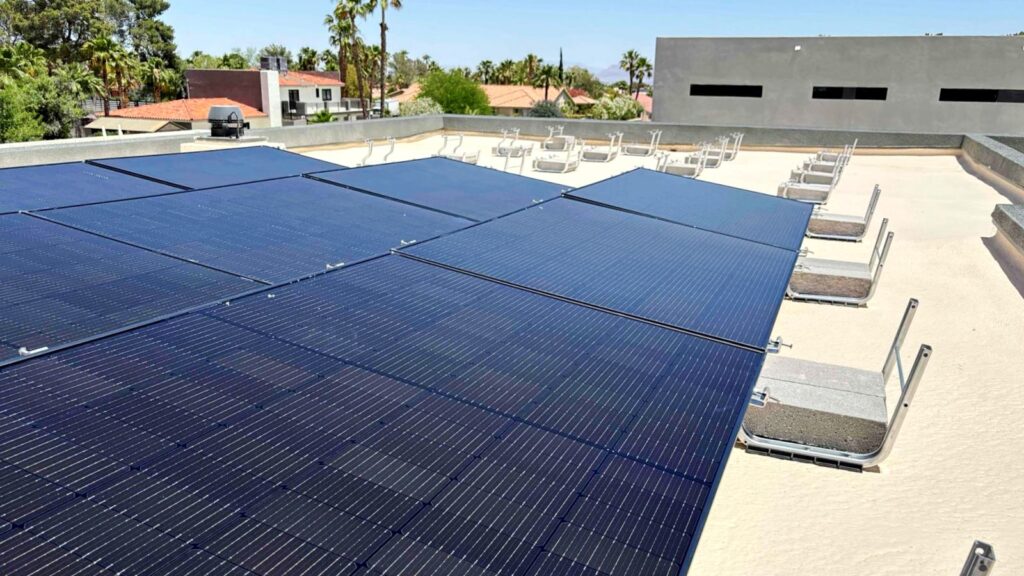
Setting up a solar panel system is more than a home improvement project. A full rooftop solar installation involves careful planning of essential components, proper wiring, and strict adherence to electrical codes. Attempting to connect panels to your home and the grid without professional oversight can lead to safety hazards, voided warranties, and failed inspections.
A well-designed solar system delivers reliable energy for decades, reduces reliance on grid power, and can unlock financial incentives like tax credits, solar loans, or power purchase agreements. From the panels and inverter to the charge controller and batteries, every part of the system must be installed correctly to ensure it works safely and efficiently.
For homeowners ready to make the switch, Bob’s Repair provides certified solar installers who handle everything from engineering and permitting to final inspection.
With professional guidance, you can install solar panels with confidence, maximize energy production, and take full advantage of available incentives without the stress or risk of a DIY approach. Homeowners can get in touch and schedule a consultation.

