
When you start exploring solar energy for your home, it’s easy to get lost in endless listings for solar panels and accessories. But a modern solar system is much more than just glass and wires. It’s a durable, integrated set of components working together to capture the sun’s power and convert it into electricity that powers your home, your lights, and more.
At Bob’s Repair, we help homeowners learn exactly what makes a system complete. This guide is your “what’s in the box” tour, explaining the essential parts and optional accessories that make a solar system function safely and efficiently while helping you save on your energy bills.
More Than Just Panels on a Roof

Transitioning to solar energy is one of the best ways to gain energy independence, reduce your reliance on the grid, and significantly cut your energy bills. A properly designed system not only generates clean solar energy but also helps your home’s existing power structure run more efficiently.
Understanding the components is the first step toward realizing how solar can perfectly complement your home’s energy needs, whether you live in Southern Highlands, NV, or anywhere in Las Vegas, NV.
The 4 Essential Components of Every Home Solar System
These non-negotiable parts form the core of any grid-tied photovoltaic system.
1. Solar Panels (The Engine)
What they are: These are the workhorses of the system. Whether you choose standard monocrystalline, polycrystalline, or even advanced thin-film types of solar panels, their function remains the same: capturing sunlight and converting it into Direct Current (DC) electricity.
The quality, efficiency, and durability of the panel, often recognizable by its sleek, black color, will determine the total power output and how well your limited roof space for solar panels is utilized.
2. The Inverter (The Brain)
What it is: This is arguably the most critical electronic component. Your appliances run on Alternating Current (AC) electricity, but your panels produce DC. The inverter is the device that converts the DC electricity from the panels into the AC electricity that powers your home and feeds back into the grid.
Types of inverters:
- String Inverters: Handle conversion for a series of panels, simple and cost-effective.
- Microinverters: Installed under each panel, optimize output individually, especially useful if some panels may be shaded.
A high-quality inverter ensures consistent power, protects your home electronics, and helps maximize your savings.
3. The Racking System (The Foundation)
What it is: The durable, customized aluminum or steel hardware that securely and safely attaches the panels to your roof. This system ensures the panels are mounted at the optimal angle to capture maximum sun, and critically, it maintains the waterproofing and structural integrity of your roof. It is the foundation for a reliable, long-lasting installation.
4. The Monitoring System
What it is: The software or app that allows you to track your system’s energy production in real-time. This system is essential for ensuring everything is working optimally and helps you visualize your energy generation versus consumption. It’s how you see your energy savings rack up.
Popular “Accessories” to Enhance Your Solar System
The components above create a functional, basic system. These optional upgrades can enhance your energy independence and optimize your solar system.
Solar Battery / Energy Storage
What it is: A large rechargeable battery that stores excess solar energy your panels generate during the day instead of sending it to the grid.
Why you’d want it: For power when the sun isn’t shining. Batteries allow you to use your own power at night or serve as a critical backup power source to keep your lights and essential appliances running during a utility outage, a significant benefit for homes in areas like Inspirada, NV.
Energy storage is the key to maximizing your financial savings and realizing the full potential of your alternative energy source.
Electric Vehicle (EV) Charger
What it is: A dedicated Level 2 home charging station for your electric car.
Why you’d want it: To directly use the clean electricity you generate to power your transportation. By charging your EV with your own solar power, you dramatically reduce or eliminate your fuel costs and further shrink your carbon footprint.
Other Solar Solutions
Beyond the rooftop, newer products like solar siding are available, integrating the power-generating technology directly into the building materials. Reviewing a detailed solar panel diagram with your installer can help you visualize how all these components, from the panels to the inverters and mounting, work together.
The Most Important Component: A Professional Installer
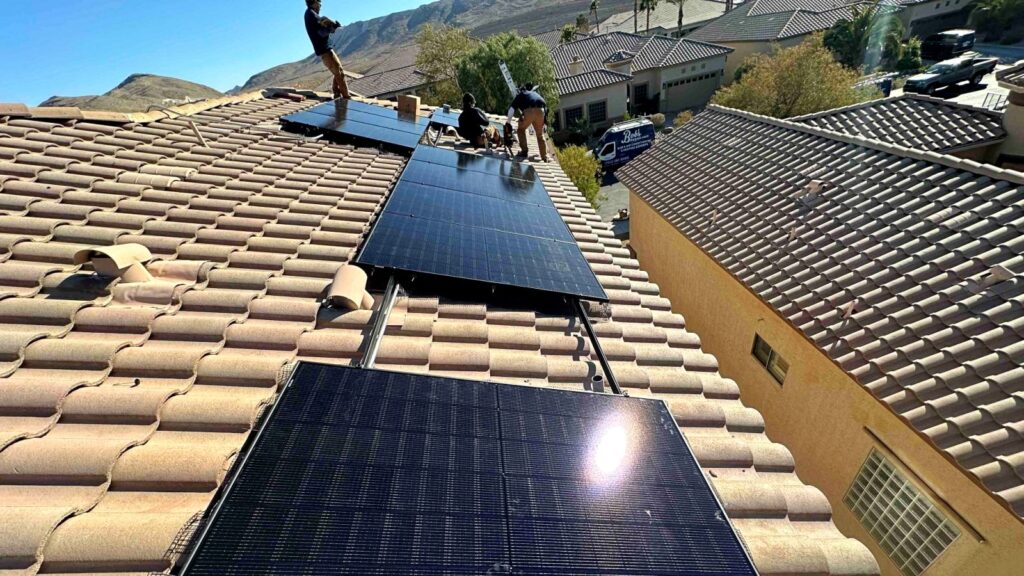
You can shop for individual product pieces and have them delivered, but installing a solar system is far more complex than simple assembly.
A professionally installed system, particularly in regions with specific environmental or structural needs like Pahrump, NV, ensures a safe, code-compliant, and optimized installation that maximizes your power output and system lifespan. Only a certified expert can:
- Design an Optimized System: Calculate the right number and type of panels based on your roof space, historical energy use, and sun exposure.
- Ensure Safety: Handle high-voltage solar equipment, maintain durable installations, and meet local building and electrical codes.
- Provide Lasting Reliability: According to the US Department of Energy, solar systems are designed to last 25+ years. Proper installation ensures longevity, protecting your warranty and investment.
Get Started With a Complete System
Understanding the components is the first step. The next step is having an expert design a complete system for your home. Don’t just shop for parts, invest in a fully integrated, professionally installed solar system that delivers durable power and maximizes savings.
Contact Bob’s Repair for a free consultation and a custom solar plan tailored to your home.

